
Authorized Biologic Alternatives: How Biosimilars Work Like Generics

Jan, 27 2026
When you hear "generic drug," you probably think of a cheap pill that does the same thing as the brand-name version. That’s straightforward. But what if the drug isn’t a pill at all? What if it’s an injection you get every few weeks for arthritis, cancer, or autoimmune disease? That’s where biosimilars come in - the closest thing to generics for complex biologic medicines.
Why Biosimilars Aren’t Exactly Like Generics
Small molecule drugs, like aspirin or metformin, are made through chemical reactions. Their structure is simple and repeatable. A generic version can be an exact copy - same atoms, same bonds, same effect. That’s why 90% of prescriptions in the U.S. are for generics. Biologics are different. They’re made from living cells - bacteria, yeast, or animal cells - and are huge, complex molecules. Think of them like a handmade sweater instead of a mass-produced T-shirt. Even the same manufacturer can’t make two batches that are 100% identical. Tiny variations happen naturally in the process. That’s why you can’t just copy a biologic the way you copy a pill. That’s where biosimilars come in. They’re not copies. They’re highly similar. The FDA requires them to show no clinically meaningful difference in safety, purity, or effectiveness compared to the original biologic. That means if your doctor prescribes Humira for rheumatoid arthritis, a biosimilar like Amjevita will work the same way in your body - same dose, same injection method, same results.Interchangeable Biosimilars: The Closest Thing to an Authorized Generic
Not all biosimilars are the same. There’s a special category called interchangeable biosimilars. These are the ones that can be swapped out at the pharmacy without your doctor’s approval - just like a generic aspirin replacing Advil. To get this status, a biosimilar must prove it can be switched back and forth with the original product without increasing risk or reducing effectiveness. That’s a higher bar than regular biosimilars. Only a handful have reached this level so far. But in November 2023, the FDA approved the first interchangeable version of Humira (adalimumab-atto), which opened the door for wider use. This is huge. It means pharmacists can now substitute it automatically - if your state allows it. Right now, 32 states, including California, New York, and Texas, have laws that let pharmacists make the switch without asking your doctor. In other states, you still need a new prescription.Cost Savings: Not as Big as Generics, But Still Meaningful
Generics often cut costs by 80-85%. Biosimilars? They save you 10-50%. That might seem small, but when you’re paying $1,200 a month for a biologic, even a 30% drop means $360 saved per month. One patient on the American Cancer Society’s forum said switching to a biosimilar for Herceptin dropped her out-of-pocket cost from $1,200 to $450 per infusion. Insurance plans are starting to catch on. A 2023 analysis found that 62% of Medicare Part D plans cover biosimilars at the same cost tier as the brand-name drug. That means no extra copay. Some even put them on preferred tiers - meaning you pay less than you would for the original. But here’s the catch: some insurers force you to switch, even if you’re stable on the brand. A 2022 Arthritis Foundation survey found 37% of patients had their treatment changed without warning. Only 12% reported worse symptoms, but the disruption itself caused stress, missed doses, and confusion.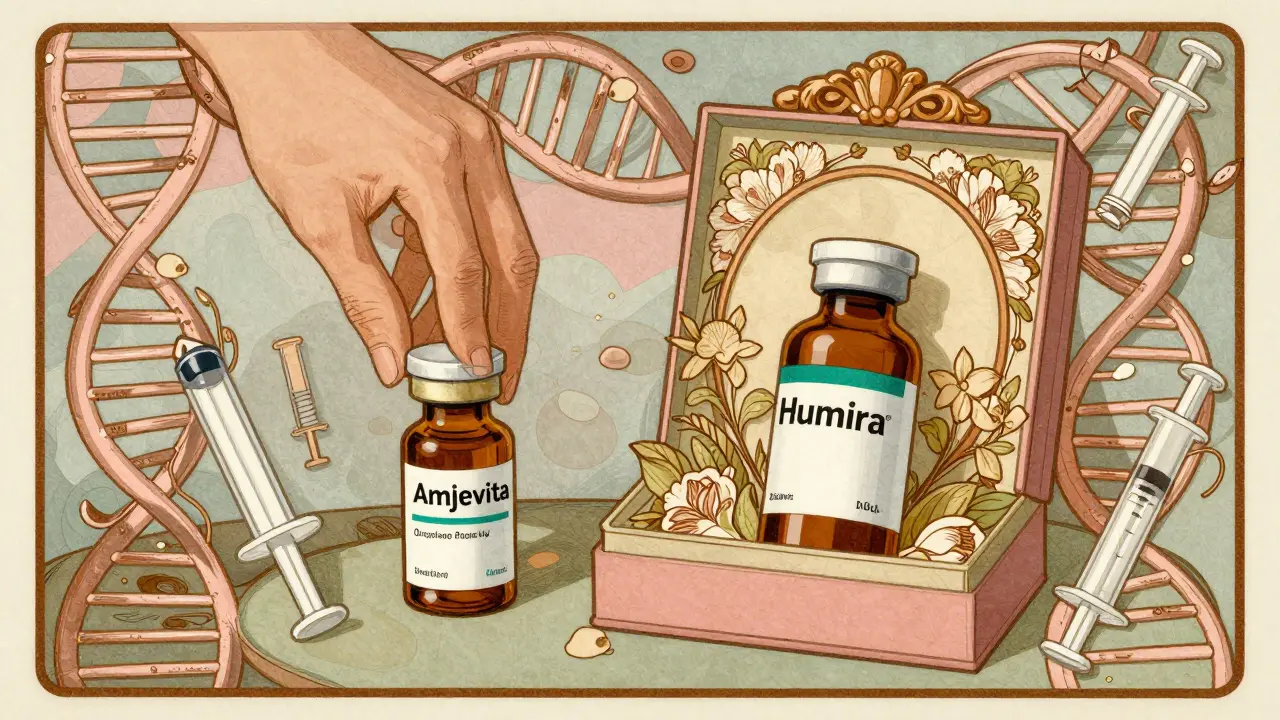
Why Aren’t More People Using Them?
Despite 76 biosimilars approved by the FDA as of late 2023, they still make up less than 20% of biologic prescriptions. Why? First, fear. Many patients and even some doctors worry that "similar" means "less effective." But the science doesn’t back that up. The FDA requires biosimilars to go through the same rigorous testing as the original - including studies on immune response, how the drug moves through the body, and long-term safety. Dr. Peter L. Salgo from Columbia University called the approval process "scientifically sound." The FDA says patients on biosimilars don’t have new or worse side effects than those on the original. Still, hesitation lingers - especially in oncology. Dr. Gary Lyman from Fred Hutchinson Cancer Research Center noted in a 2023 study that doctors are slow to switch cancer patients, even when the evidence is clear. Patients, too, fear change. If you’ve been on a drug for years and it’s working, why risk switching? Second, confusion. There are multiple biosimilars for the same drug. One patient with rheumatoid arthritis on Reddit reported switching three times between the brand and two different biosimilars - and started having injection site reactions after the third switch. Was it the drug? The manufacturing batch? The needle? No one could say for sure. But the experience made them nervous.How Are Biosimilars Made and Regulated?
Every biosimilar must be made under strict manufacturing rules called Current Good Manufacturing Practices (cGMP). That means every step - from cell culture to packaging - is documented and monitored. The FDA inspects these facilities just like they do for brand-name biologics. The approval process is long and expensive. Manufacturers must prove:- The molecule’s structure matches the reference product
- It works the same way in the body (mechanism of action)
- It’s absorbed and cleared at the same rate (pharmacokinetics)
- It doesn’t cause more immune reactions
- It’s as safe and effective in clinical trials
Who Makes Them and What’s Next?
The big players are Amgen, Sandoz, and Pfizer. Amgen alone has 12 FDA-approved biosimilars. These companies aren’t just copying old drugs - they’re building new manufacturing systems that can produce these complex molecules more efficiently. The market is growing fast. In 2022, the global biosimilars market was worth $10.1 billion. By 2030, it’s expected to hit $58.6 billion. In the U.S., biosimilar use jumped from 5% of biologic prescriptions in 2019 to 18% in 2022. More patents are expiring. Biologics like Enbrel, Rituxan, and Herceptin are losing protection, opening the door for dozens more biosimilars. The FDA aims to approve 15-20 new ones each year by 2025. The potential savings? The Congressional Budget Office estimates $53 billion in Medicare savings alone between 2024 and 2033. Over the next decade, biosimilars could save the U.S. healthcare system $314 billion.What Should You Do If You’re on a Biologic?
If you’re on a biologic and your insurance suggests switching:- Ask your doctor if a biosimilar is right for you - especially if you’re stable.
- Check if your state allows pharmacist substitution for interchangeable biosimilars.
- Ask for a copy of the new drug’s prescribing information - it must clearly list the reference product.
- Track any changes in symptoms, side effects, or injection reactions.
- If you have concerns, speak up. You don’t have to switch if you’re not comfortable.
What’s the Bottom Line?
Biosimilars aren’t generics. But interchangeable biosimilars are the closest thing we have to authorized generics for biologics. They’re safe. They’re effective. And they’re getting cheaper. The real barrier isn’t science - it’s perception. Once patients and doctors understand that "highly similar" doesn’t mean "less good," adoption will rise. And with more approvals coming, better labeling, and stronger state laws, the future for biosimilars looks bright.They’re not just a cost-cutting trick. They’re a way to make life-saving treatments accessible to more people - and that’s something everyone should support.
Are biosimilars the same as generics?
No. Generics are exact chemical copies of small-molecule drugs, like aspirin or metformin. Biosimilars are highly similar, but not identical, versions of complex biologic drugs made from living cells. Because biologics are too large and complex to copy exactly, biosimilars are developed through a different regulatory process that proves they work the same way in the body.
Can pharmacists switch me to a biosimilar without my doctor’s permission?
Only if it’s an interchangeable biosimilar and your state allows it. As of 2026, 32 states - including California, New York, and Texas - have laws permitting pharmacists to substitute interchangeable biosimilars without asking your doctor. In other states, you’ll need a new prescription. Always check your state’s rules and ask your pharmacist if a switch is happening.
Are biosimilars safe?
Yes. The FDA requires biosimilars to prove they have no clinically meaningful differences in safety, purity, or effectiveness compared to the original biologic. This includes testing on immune response, how the drug moves in the body, and long-term side effects. Thousands of patients have used biosimilars for years with results matching the brand-name product. The FDA says they are as safe and effective as the original.
How much cheaper are biosimilars than brand biologics?
Biosimilars typically cost 10% to 50% less than the original biologic. That’s less than the 80-85% savings you see with generics, but still significant - especially for expensive drugs like Humira or Herceptin, which can cost over $1,000 per dose. Some patients report out-of-pocket savings of $700 or more per month after switching.
Why aren’t more people using biosimilars?
Mainly because of confusion and fear. Many patients and doctors worry that "similar" means "less effective," even though the science says otherwise. Insurance companies sometimes force switches without warning, which causes anxiety. Also, there are multiple biosimilars for the same drug, and switching between them can be confusing. Education and clearer labeling are helping, but change takes time.
Will my insurance cover a biosimilar?
Most do. As of 2023, 62% of Medicare Part D plans cover biosimilars at the same cost tier as the brand-name drug. Many private insurers are following suit. Some even put biosimilars on preferred tiers, meaning you pay less than you would for the original. But always check your plan’s formulary - and ask if a switch could affect your copay.
How do I know if I’m getting a biosimilar?
The FDA requires all biosimilars to have clear labeling that identifies the reference product. Your prescription label will list the name of the biosimilar - for example, "adalimumab-atto" instead of "Humira." Your pharmacist should also inform you if a substitution is made. If you’re unsure, ask to see the medication’s package insert - it will state whether it’s a biosimilar and which brand it’s based on.


