
Medication Reminder Strategies: Apps, Alarms, and Organizers for Better Adherence
Jan, 11 2026
Missing a dose of your blood pressure pill. Forgetting your insulin. Skipping your antidepressant because you were in a rush. These aren’t just small mistakes-they’re risks that can land you in the hospital. In the U.S., about half of all people don’t take their meds as prescribed. That’s not laziness. It’s not forgetfulness alone. It’s a system that doesn’t work for real life.
Thankfully, there are tools designed to fix this. Not magic fixes. Not apps that yell at you. But smart, practical strategies built around how people actually live: medication reminder apps, simple alarms, and physical organizers that fit into your routine-not the other way around.
Why Medication Adherence Matters More Than You Think
It’s not just about feeling better. It’s about staying out of the ER. In the U.S., poor medication adherence causes around 125,000 deaths every year and contributes to nearly a quarter of all hospital stays. That’s not a statistic-it’s someone’s parent, sibling, or neighbor. And it’s mostly preventable.
Doctors can prescribe the perfect drug. But if you don’t take it on time, or in the right dose, it doesn’t work. For chronic conditions like heart failure, diabetes, or HIV, missing doses isn’t just inconvenient-it’s dangerous. Studies show that people who stick to their schedule cut their hospital readmissions by up to 22%.
The problem isn’t always memory. It’s complexity. Five pills at different times. One with food. One you can’t take with grapefruit. One that makes you dizzy if you stand up too fast. That’s a lot to track. And when you’re tired, stressed, or dealing with brain fog from illness, your brain just shuts down.
How Medication Reminder Apps Actually Work (And Which Ones Don’t)
There are hundreds of apps. Most are useless. A few are life-changing.
Medisafe is the most downloaded. It’s got a clean interface, lets you add caregivers who get alerts if you miss a dose, and checks for dangerous drug interactions with 99.2% accuracy. It’s why so many clinics recommend it. But here’s the catch: it nags you. Premium pop-ups appear every few days. One user on Reddit said it flagged her prenatal vitamins as dangerous with Tylenol-cost her 20 minutes on the phone with her pharmacist. False alarms like that make people uninstall.
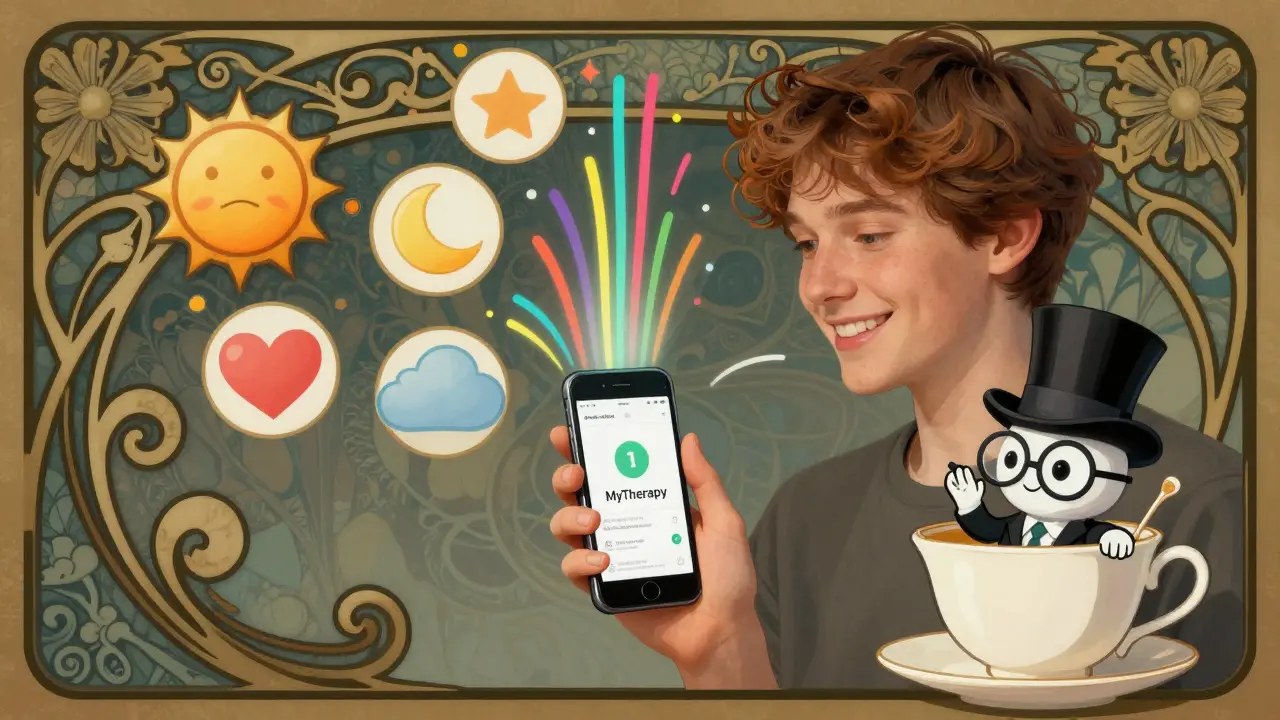
MyTherapy is better if you’re younger or managing mental health. It tracks mood, sleep, and symptoms alongside your pills. You get streaks-like a fitness app for your meds. People using it report better mental clarity because they see patterns. “I noticed I felt worse every time I skipped my mood stabilizer on weekends,” one user wrote. “Now I never do.”
EveryDose uses an AI assistant named Maxwell that knows over 10,000 medications. It can tell you if your antibiotic interacts with your probiotic. But the interface is cluttered. Seniors struggle with it. One review said, “It’s like trying to use a smartphone from 2012.”
Then there’s Apple’s built-in Medications app, launched in late 2023. It’s free, works with Health, and flags 500,000+ drug interactions using CDC data. Over 12 million people used it in the first month. No subscription. No ads. Just quiet, reliable reminders. If you have an iPhone, this should be your first try.
The Simple Alarm That Still Works (And Why Most People Get It Wrong)
You don’t need an app. You just need your phone’s alarm.
Google’s Android Clock app and Apple’s Reminders app are free, reliable, and don’t drain your battery. But most people set them wrong. They set one alarm for “morning meds.” That’s not enough. If you take four pills at different times, you need four alarms. And they need labels: “7 AM: Lisinopril (with breakfast)” not just “Meds.”
Studies show basic phone alarms work for 43% of users. But for people over 65 or with memory issues, that number drops to 27%. Why? Because alarms don’t explain. They don’t remind you why you’re taking it. And if you miss one, they don’t follow up.
Here’s what works: Set two alarms. One 15 minutes before your dose, one at the exact time. Label them clearly. Put your phone in the kitchen or bathroom-somewhere you go every morning. And turn on vibration. Sound alarms get ignored. Vibration? That gets noticed.
Pill Organizers: Physical Tools That Actually Help
Plastic pill boxes with seven compartments? They’re everywhere. And they’re mostly useless.
Why? Because they don’t remind you. You still have to remember to open them. And if you’re taking different doses on different days, you’ll mess up. One study found users made errors 29% of the time loading complex regimens into basic organizers.
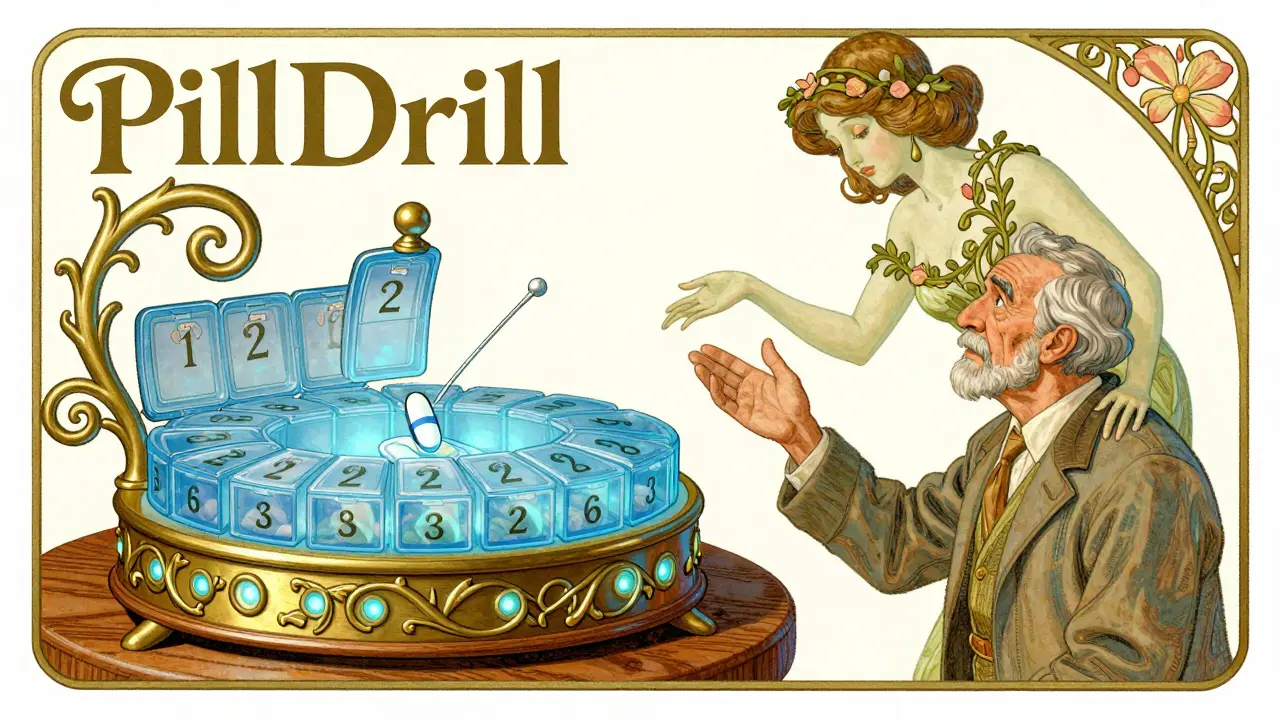
Smart organizers are different. PillDrill’s Smart Medication System has 28 doses, Bluetooth, and a base that beeps and lights up when it’s time. It syncs with your phone. If you don’t open it within 15 minutes, it texts your caregiver. Price? $129.99. It’s not cheap. But for someone with dementia or a busy caregiver, it’s worth it.
Hero’s Pill Dispenser is another option. It’s a robot that opens the right compartment at the right time. It costs $99.99 upfront, then $30/month to use. But in Medicare trials, users had 92% adherence. That’s the highest number you’ll see anywhere.
The key? Choose one that matches your life. If you live alone and forget everything, get the smart one. If you’re organized and just need visual help, a simple weekly box with labels works fine.
Who Should Use What? A Quick Guide
- Seniors (65+): Start with Apple’s Medications app or Medisafe. Add a caregiver who gets alerts. Use a smart organizer like PillDrill if you’re on 5+ meds.
- Young adults (18-35): MyTherapy or Apple’s app. Track mood and sleep. Use streaks to build habit.
- Chronic illness (diabetes, heart failure, HIV): Medisafe or Care4Today Connect. Both connect to doctors. Care4Today reduced hospital visits by 22% in trials.
- Complex regimens (chemotherapy, multiple antibiotics): Dosecast. It handles 15-minute intervals and custom schedules better than anyone.
- On a budget: Use your phone’s alarm. Label everything. Put your pills next to your toothbrush.
The Hidden Problem: Notification Fatigue
Here’s the truth most apps won’t tell you: people turn off alerts.
Dr. Sarah Ahmed from Johns Hopkins found that 61% of users disable their medication reminders within 30 days. Why? Too many notifications. Too many apps. Too many beeps.
It’s not about more alerts. It’s about smarter ones.
Good systems don’t just remind you. They adapt. Medisafe’s upcoming ‘AdherenceScore’ uses 27 behavioral signals-when you open your phone, how often you check the time, even your sleep patterns-to predict when you’ll miss a dose. Then it nudges you before you forget.
That’s the future. Not louder alarms. Smarter timing.
How to Set Up a System That Lasts
Most people fail because they try to do it all at once. Here’s how to start right:
- Write down every medication-name, dose, time, reason. Don’t guess. Check the bottle or call your pharmacist.
- Group by time. All morning pills? All night? That’s your schedule.
- Choose one tool. Not three. One app OR one organizer. Start simple.
- Set up reminders. Use labels. Use vibration. Put your phone where you’ll see it.
- Add a backup. A sticky note on the mirror. A family member who texts you. Someone else needs to know your schedule.
- Review weekly. Every Sunday, check if you missed anything. Adjust. Don’t wait for a crisis.
One user in Adelaide told me she started with a paper calendar. Then added a phone alarm. Then got Medisafe. She didn’t change everything at once. She added one layer at a time. Now, she hasn’t missed a dose in 11 months.
What No One Tells You About Free Apps
Free apps aren’t free. They sell your data. A 2023 Princeton study found 63% of free medication apps anonymize and sell your health data to advertisers or research firms. You’re not just getting reminders-you’re becoming a data point.
Apple’s app doesn’t do this. Medisafe’s free tier doesn’t sell data. But many others do. Read the privacy policy. If it’s vague, walk away.
Medicare now pays $15/month for FDA-approved adherence tools. If you’re on Medicare, ask your pharmacist: “Which apps are covered?” You might get one for free.
Final Thought: It’s Not About Technology. It’s About Trust.
The best reminder system isn’t the fanciest app. It’s the one you trust. The one you don’t hate. The one that fits your life, not the other way around.
Start small. Use what you already have. Add help when you need it. And remember: missing a pill isn’t your fault. The system failed you. But you don’t have to stay stuck in it.
There’s a tool out there that works for you. You just have to find it-and stick with it.


